About St. John
The smallest of the three U.S. Virgin Islands — and, we think, the most beautiful.
Whether you’re snorkeling the crystal-clear turquoise water or climbing the steep green hills, St. John is the must-see island for anyone passionate about nature. You don’t have to venture far from shore to swim with sea turtles and rays above coral teeming with brilliantly colored fish. On land, more than three dozen hiking trails crisscross the lush, 5,500-acre National Park — a preserve that protects more than half the island.
More than two-thirds of St. John remains in its original state: natural, untouched, pristine. So the best things to do here are simply to soak it in — the tropical forests, the secluded beaches, and the impossibly blue water.
Worth the trip out.
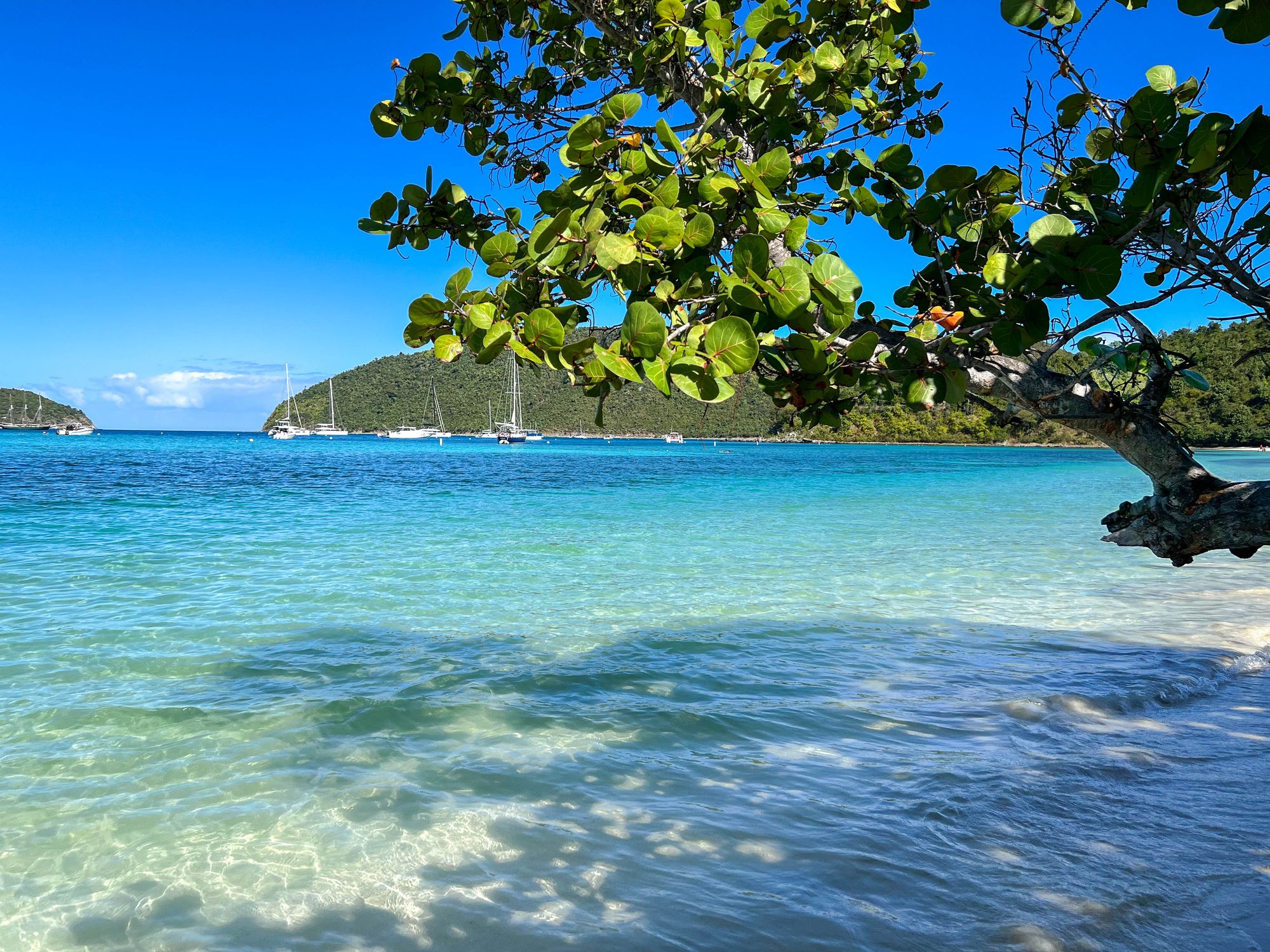
Snorkel Maho Bay
Some of the best snorkeling on the island, with frequent turtle and stingray sightings. Rent paddleboards, gear, and chairs, and grab a snack at Reef 2 Peak.
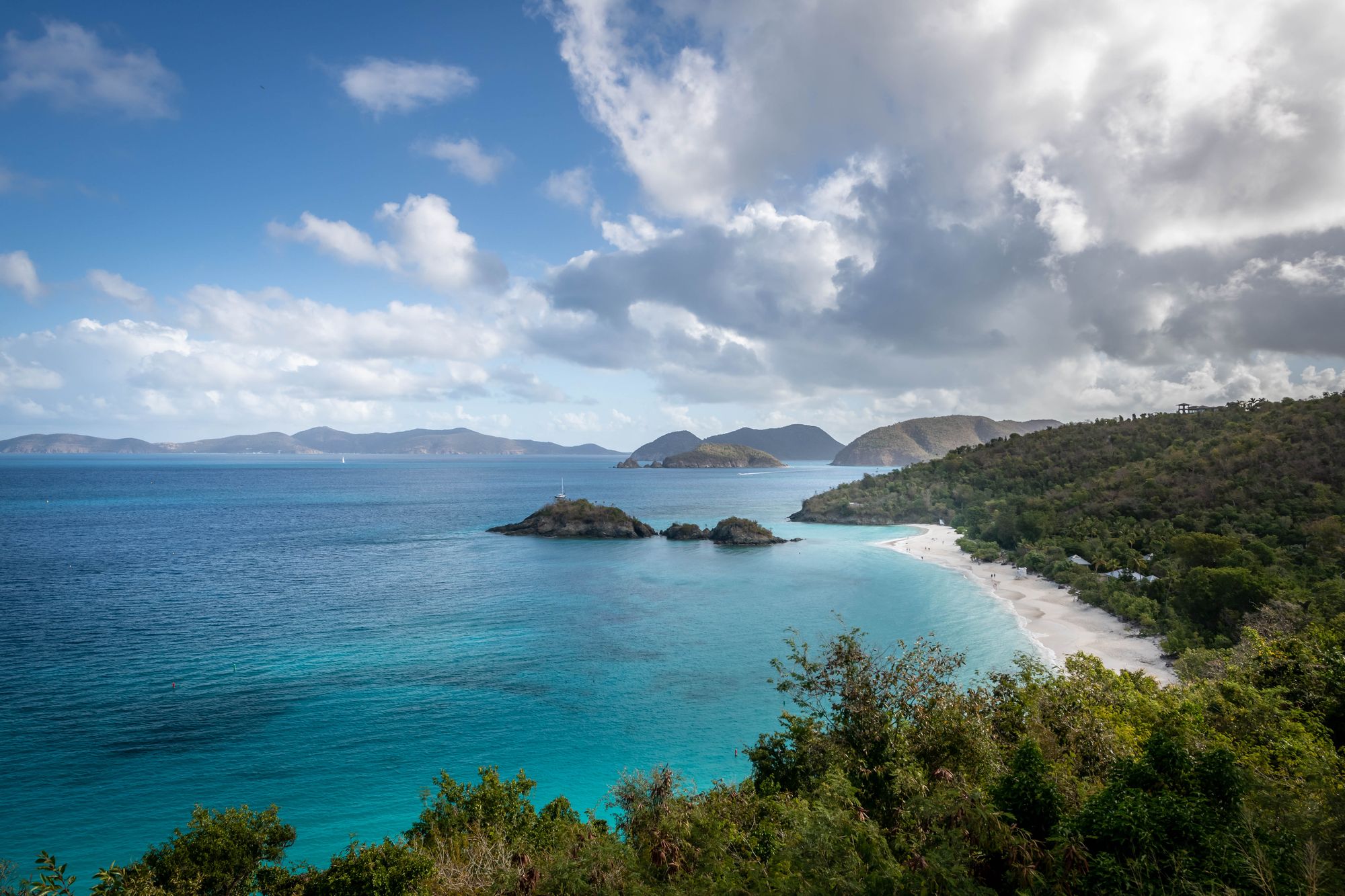
Trunk Bay
The postcard beach — fine white sand, dense green backdrop, and coral reefs home to four endangered turtle species. Popular, so arrive early.
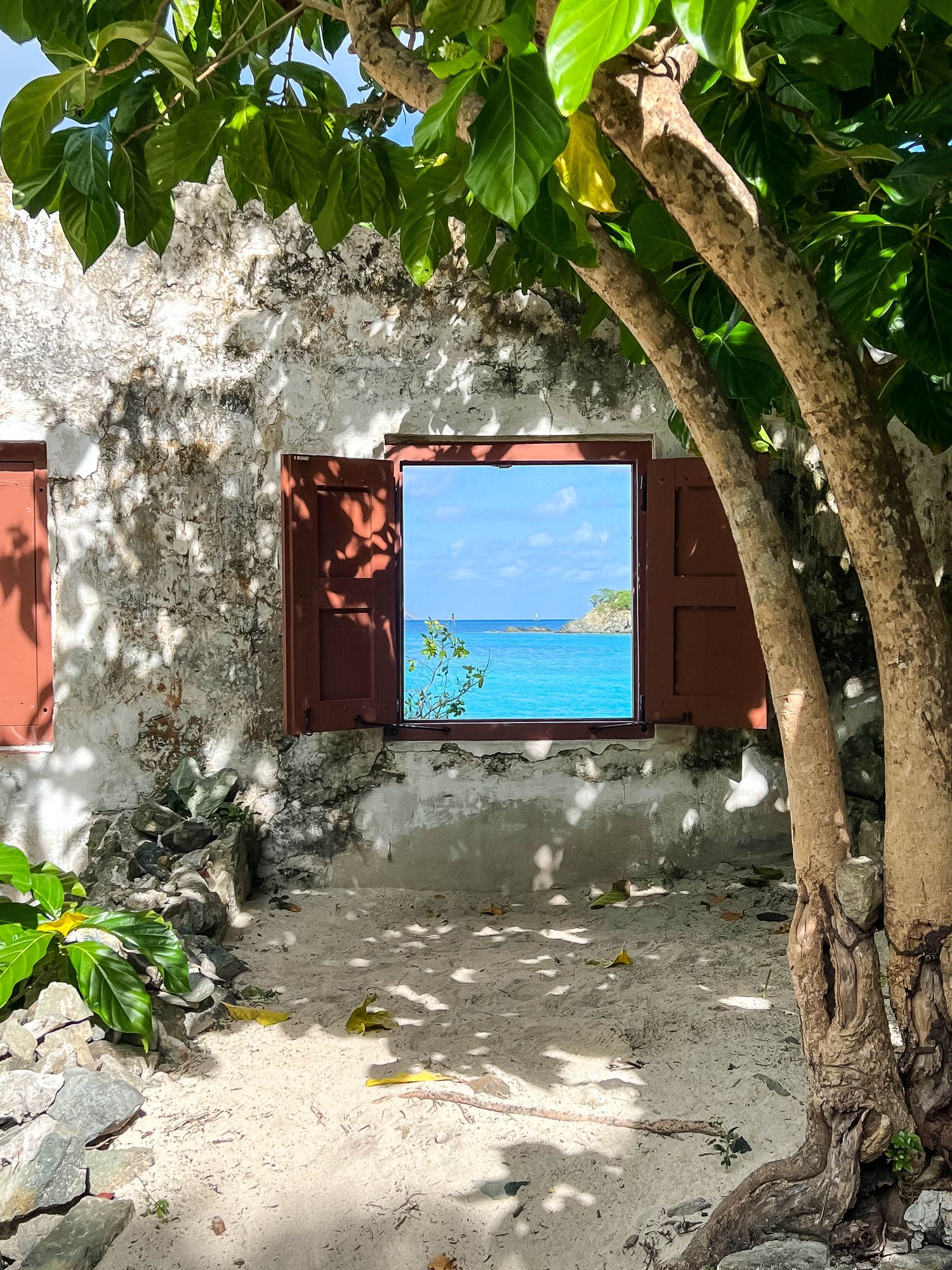
Cinnamon Bay
The island’s longest beach, with shady sea grapes and the ruins of an old sugar estate right by the sand. Great for a full beach day.
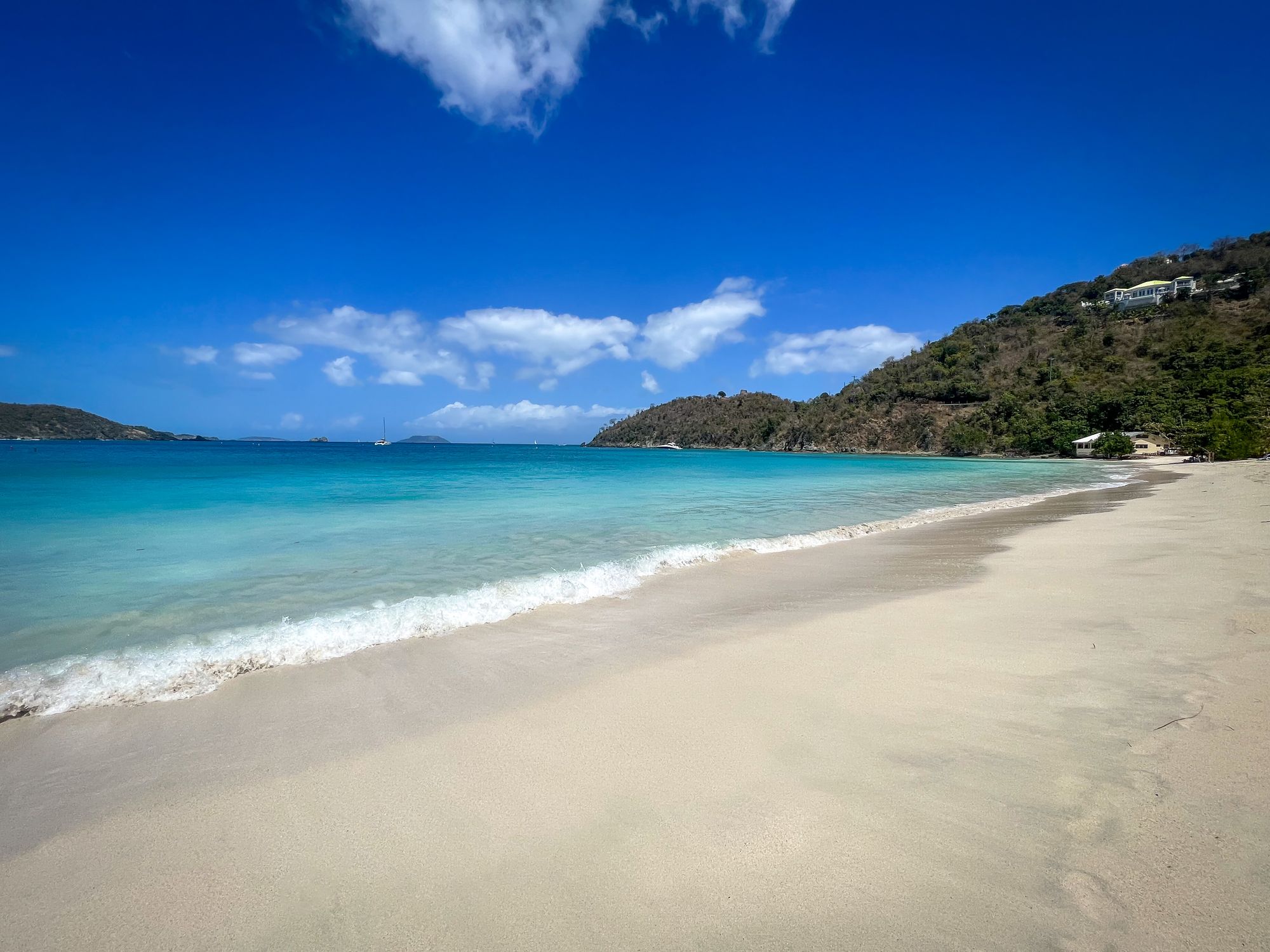
Gibney & Oppenheimer Beach
Soft white sand and calm, clear water tucked off North Shore Road. A local favorite for a quiet morning swim.
Jumbie Bay
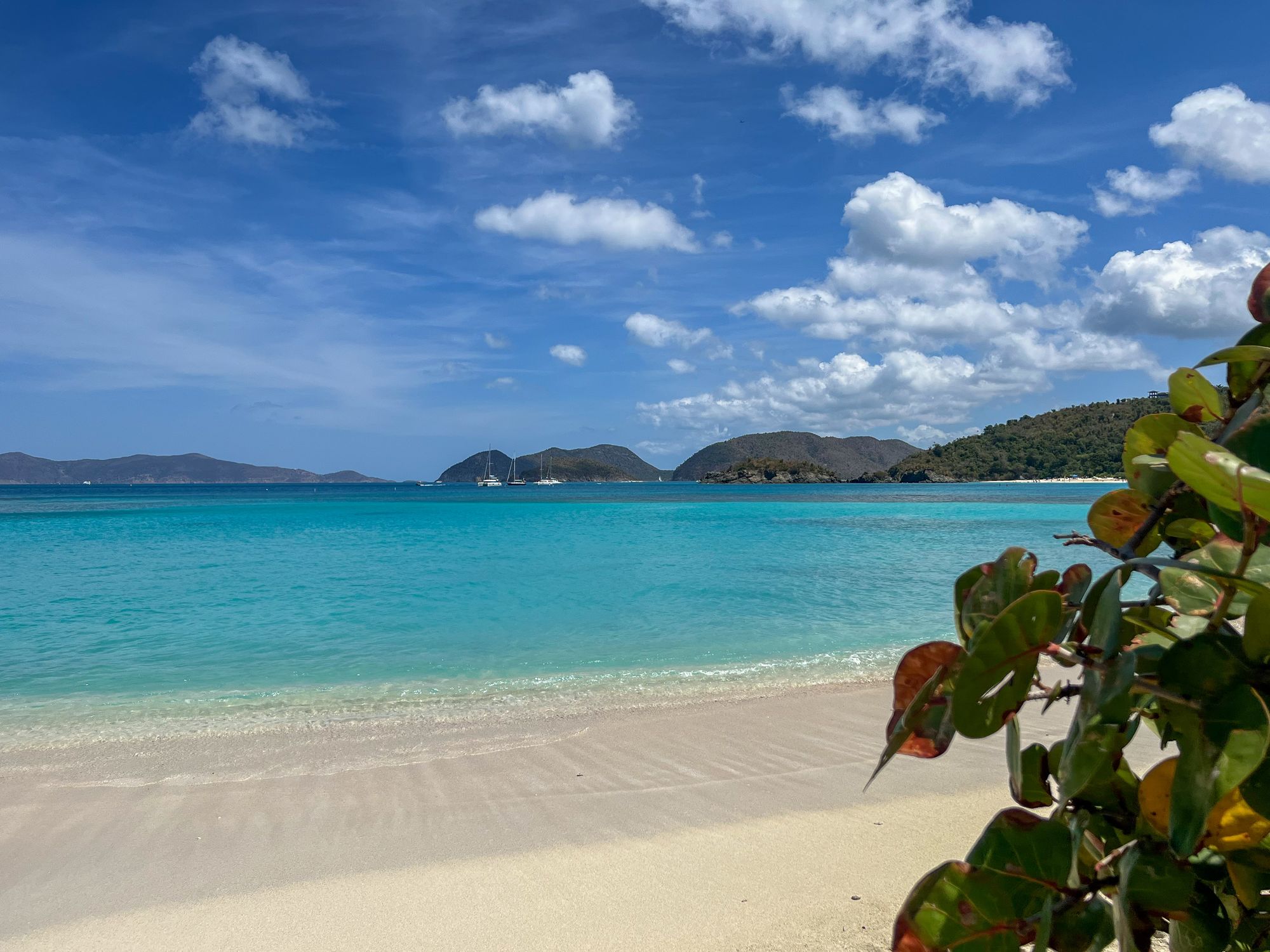
Small and secluded, down a short staircase from the road. Often one of the emptiest coves on the north shore.
Peace Hill
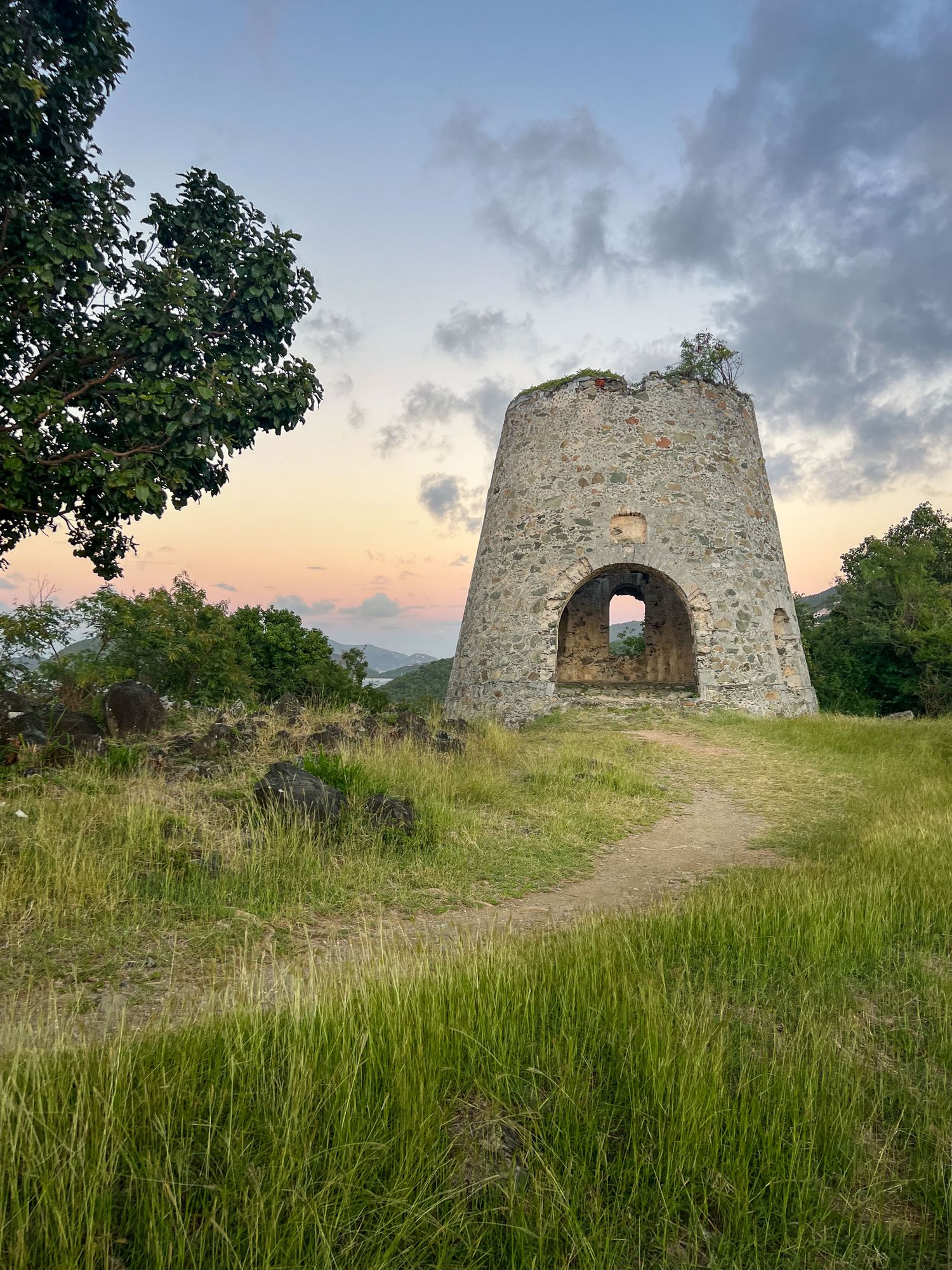
A five minute walk up from Hawksnest to old windmill ruins and one of the best panoramic views on the island. Beautiful at sunset.
Reef Bay Petroglyphs
Ancient carvings in Reef Bay Valley, likely left by the Taino more than a thousand years ago — one of the island’s rarest sites.
The Reef Bay Trail
If you do one hike, make it this: sugar-mill ruins, a petroglyph spur, towering trees, and a secluded beach. Strenuous — allow a half-day.
Salt Pond Bay
Quiet and peaceful with a short walk in, plus the excellent Ram’s Head hiking trail.
Waterlemon Cay
Great snorkeling for the adventurous — an easy hike and a short swim. Mind the currents if you’re not a strong swimmer.
Virgin Islands National Park
More than half of St. John is protected parkland. Look up ranger-led tours, events, and the island’s best hikes on the National Park Service site.
Traveling to St. John.
Flights & ferries
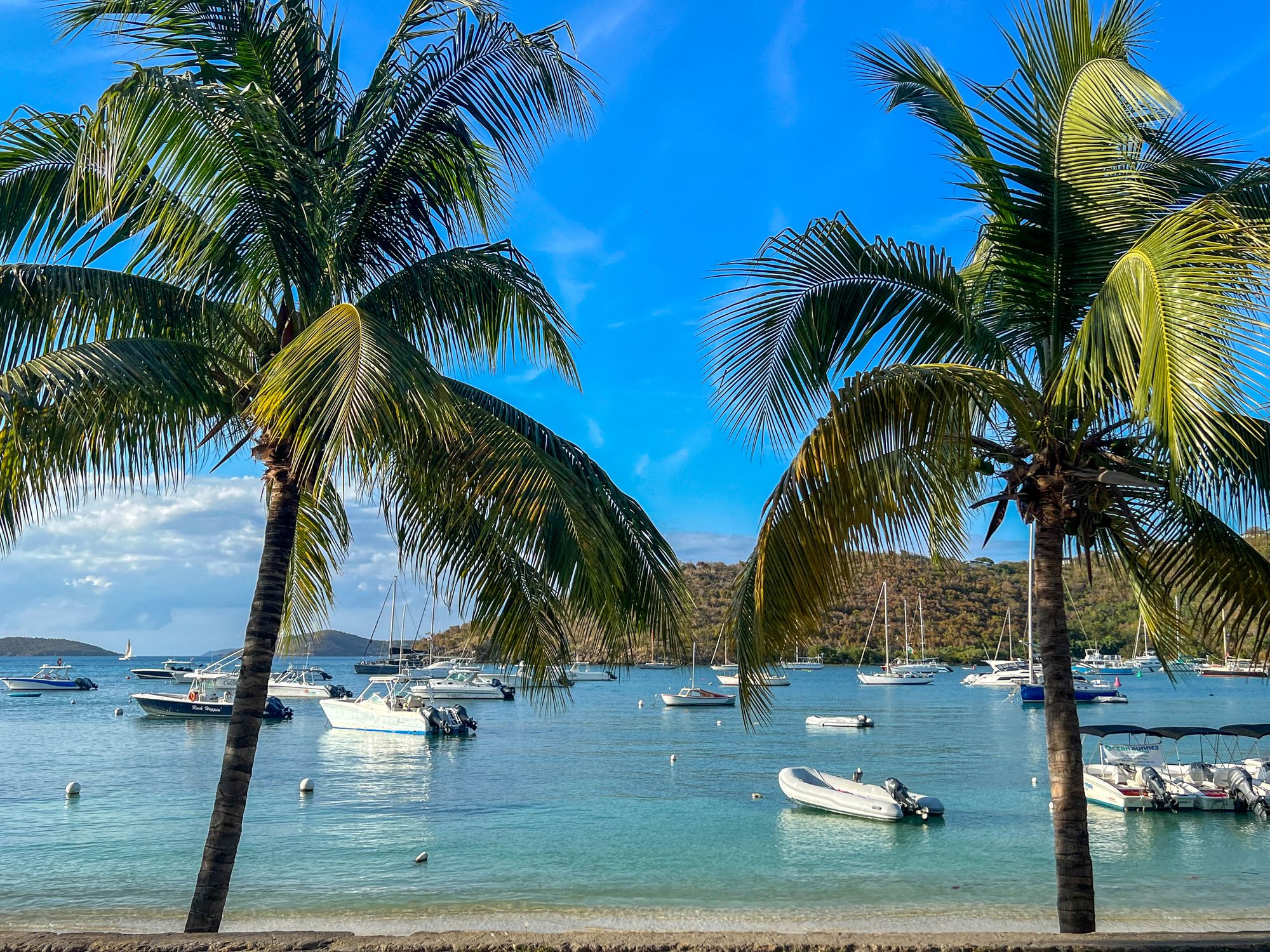
Fly into St. Thomas (STT). From there, take a 35–40 minute taxi to the Red Hook ferry, then the hourly ferry to St. John (about $9 per person, $4 per bag). Or take a 5-minute taxi to Crown Bay, then a 35–40 minute boat to Cruz Bay (note: Crown Bay has limited trips to St. John).
Climate
Year-round tropical — roughly 82°F in January to 88°F in late summer. February is the driest month; September the wettest. Pack light and reef-safe.
Passport & ID
No passport required for U.S. citizens to St. Thomas and St. John, but bring proof of citizenship. A passport is required if you plan to visit the British Virgin Islands.
Ferry schedules
Schedules shift seasonally — always confirm before you travel.
Ready to come see it?
Tell us your dates and what you’re hoping for, and we’ll match you to the right home.
Plan Your Stay →